
Relationships, Attachment & Emotional Connection
Stetson Counselor Education researchers are currently conducting a large-scale metasynthesis examining how couples and counselors experience emotionally focused couple therapy (EFCT) across diverse relational, cultural, and clinical contexts. EFCT is an evidence-based counseling approach grounded in attachment theory that helps couples strengthen emotional bonds, better understand one another’s emotions and needs, and move from patterns of disconnection toward greater safety, vulnerability, and connection.
The project synthesizes qualitative research exploring emotional connection, attachment, therapeutic change, and the lived experiences of couples participating in EFCT. Researchers are paying particular attention to questions of culture, identity, and inclusivity within couple counseling, including how EFCT is experienced among historically underrepresented populations in couple therapy research.
By integrating findings across qualitative studies from around the world, the project seeks to better understand not only whether EFCT works, but how change unfolds within counseling and what helps couples feel seen, understood, and emotionally connected.

Current Areas of Focus
- Emotionally Focused Couple Therapy (EFCT)
- Attachment and emotional bonding
- Relationship distress and repair
- Cultural responsiveness in couple therapy
- Therapeutic alliance and change processes
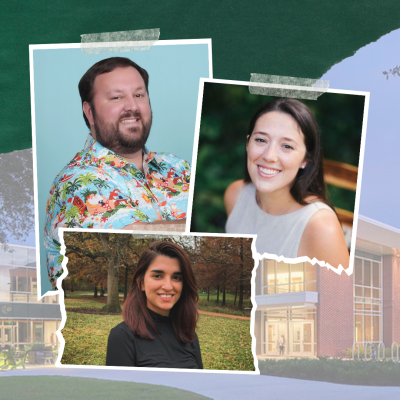
Meet the Stetson Team
Led by Dr. Bradley McKibben (top left), Associate Professor and Chair of the Department of Counselor Education, research team members also include Professor Sarah Brow Corrigan (top right) and alumna Areesha Qureshi (CMHC ’26, bottom). United by shared interests in EFCT and healthy relationships, the team brings together McKibben’s certification in EFCT, Brow Corrigan’s advanced EFCT training and clinical integration of the model, and Qureshi’s interests in culturally responsive counseling and inclusive care.

Why This Work Matters
Healthy emotional connection is strongly linked to mental health, positive relationship adjustment, and overall well-being. This research helps counselors better understand how couples experience healing within counseling and how relationship interventions can be adapted to support diverse couples and communities with greater responsiveness and care.

A Community Research Collaborator
Alyssa Triolo, LCMHC (NC), is a North Carolina-based clinician and member of the research team. Her clinical work focuses on relationship distress, LGBTQIA+ affirming care, and EFCT. She integrates advanced EFCT training into her clinical practice while supporting couples and individuals navigating connection, identity, and life transitions.