
Self-Love, Burnout & Wellness Research
Professor Timothy Eng studies self-love as a meaningful, measurable part of wellness. Although self-love is often encouraged among counselors, students, and clients, it usually reaches them as general advice rather than something they can deliberately learn and practice. Many people understand that a lack of self-love can contribute to burnout and diminished wellness, yet few are given clear, research-informed ways to cultivate it. Additionally, obstacles such as stigma and limited time can make the effort feel discouraging. Dr. Eng’s work explores how self-love can be understood, assessed, and intentionally developed, and how it relates to burnout, resilience, and overall well-being for helping professionals, students, and the broader community.

Current Areas of Focus
- Self-love as a teachable, measurable construct in counselor training
- Self-love interventions and their relationship to burnout and wellness
- Self-love and client outcomes
Meet the Research Team
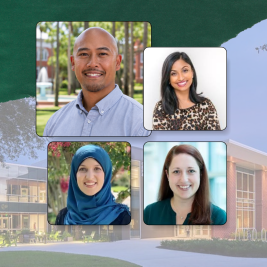
Dr. Eng (top left) is a member of a self-love research team led by Dr. Shainna Ali (top right), whose seven-segment self-love framework and The Self-Love Workbook form the foundation of the team’s work. Alongside Dr. Serene Hasan (bottom left), Dr. Melissa Zeligman (bottom right) and Dr. Viki P. Kelchner (not pictured), the team is co-authoring a manuscript that applies Dr. Ali’s framework to counselors-in-training, exploring how intentional self-understanding, self-care, and self-compassion can support students as they develop their professional identities. Together, the team works to move self-love from an abstract ideal to a practical, research-informed approach that counselors and educators can use.

Why This Work Matters
Caring for oneself is considered an ethical obligation in counseling, yet professionals and students are rarely given the tools to actually do it. Without self-love, people may experience more anxiety, fatigue, and irritability, along with lower empathy, self-esteem, and relationship satisfaction. Over time these effects can contribute to burnout, depression, and even heart disease. Self-love works as both prevention and an ongoing practice, helping people build resilience before challenges arise. By testing whether self-love can be taught, the team aims to give counselors, students, and community members concrete strategies for protecting their well-being, which in turn strengthens the care future counselors provide and supports wellness across the Stetson community.